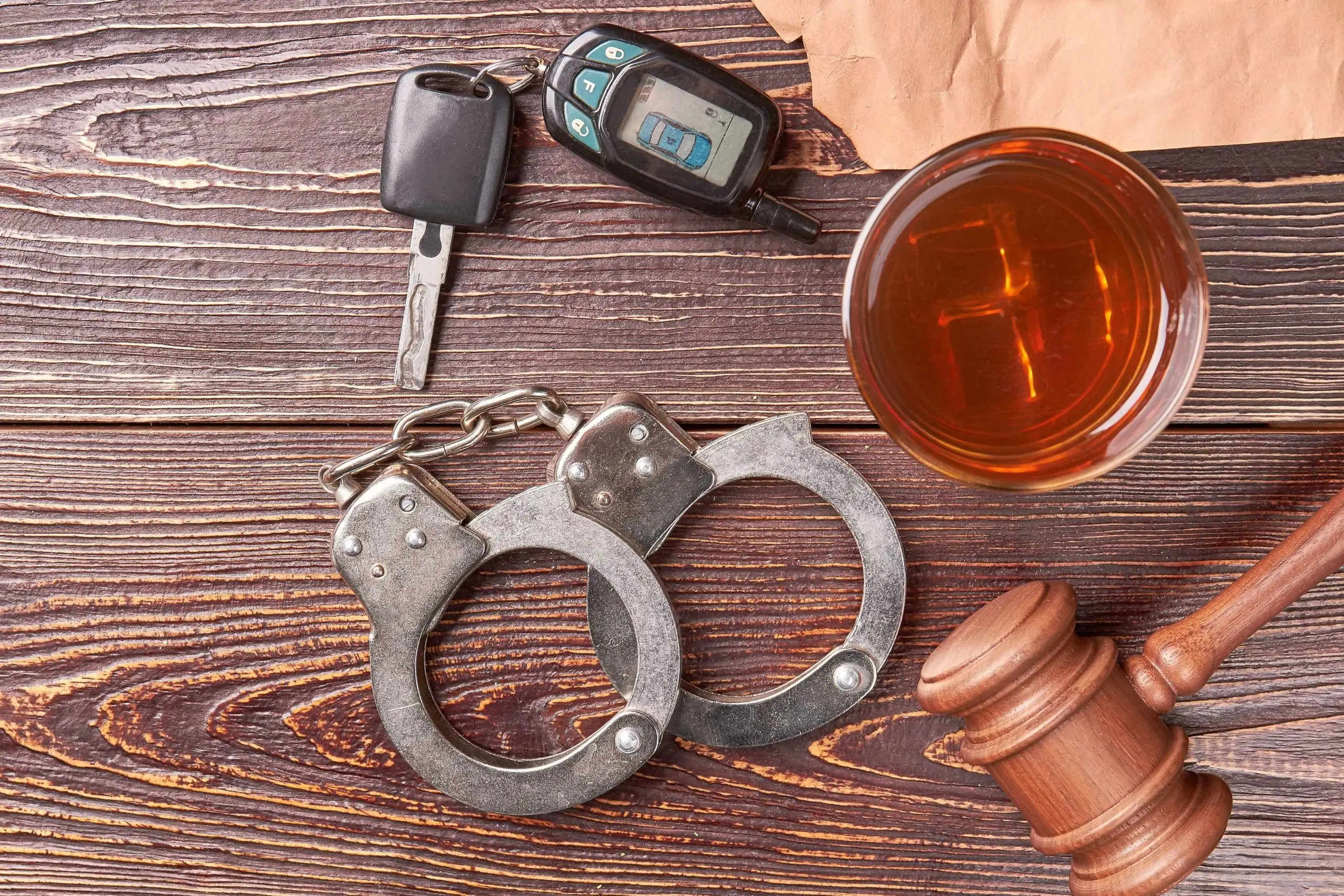

How Much Does A DUI Cost In North Dakota?
Scott Rose Jan 30, 2026

How Much Does A DUI Cost In North Dakota?

Every decision you make behind the wheel carries legal consequences. In North Dakota, the costs of a DUI can be severe, even before you consider jail time or a criminal record. State law treats driving under the influence as a serious offense because it places public safety at risk. Financial penalties, license suspensions, and long-term consequences can follow a single lapse in judgment.

Understanding how North Dakota law approaches DUI charges can help you make informed choices and recognize the true impact of impaired driving.

What North Dakota Law Says About DUI

Under North Dakota Century Code § 39-08-01, a person commits DUI by driving or being in actual physical control of a vehicle with a blood alcohol concentration of 0.08 or higher, or while impaired by alcohol or drugs. “Actual physical control” can apply even without driving, such as sitting in a running vehicle with access to the controls.

North Dakota also uses implied consent rules, which means you agree to chemical testing by driving on public roads. Refusing a breath or blood test can trigger separate administrative penalties through the North Dakota Department of Transportation, including license suspension. These statutes create both criminal exposure in court and civil consequences that start quickly after an arrest for drivers statewide.

Criminal Fines and Jail Penalties Under State Law

Sentencing for a DUI conviction in North Dakota can include fines, jail time, and court-ordered conditions, and the totals rise with test results and prior offenses. A first offense carries a minimum $500 fine, which increases to $750 when BAC is 0.16 or higher.

Jail exposure can apply, and higher BAC levels can trigger mandatory minimum jail under state rules. A second offense within seven years brings a minimum $1,500 fine and mandatory incarceration, while a third offense includes at least a $2,000 fine with longer jail time.

Courts may also require evaluations, education, or monitoring, which adds to the overall financial impact. Crash injuries and other aggravating factors can push penalties higher. Court costs and compliance requirements often surprise people, since they sit outside the headline fine amount.

When a DUI Becomes a Felony in North Dakota

Serious repeat history is one of the fastest ways a DUI charge can escalate into felony territory in North Dakota. A fourth DUI offense within fifteen years is charged as a Class C felony, which can carry up to five years in prison and a fine of up to $10,000. Mandatory incarceration applies in felony level cases, and the court can impose additional conditions tied to alcohol evaluation and treatment. Prior convictions from other states can still count if they meet the legal standard for a qualifying offense. Timing matters because the 15-year lookback period can change the charge level and the risk you face.

Harm to another person can also raise the stakes beyond a misdemeanor case. A DUI that causes serious bodily injury can lead to felony prosecution with severe sentencing exposure. A DUI resulting in death can trigger even more serious charges, with long prison terms and lasting consequences that follow you for life. These cases often involve complex evidence, including blood testing, crash reconstruction, and medical records. Felony allegations also increase the risk of long-term license loss, strict supervision, and costly compliance requirements after conviction.

Administrative License Suspension and Civil Penalties

Separate from the criminal court process, the North Dakota Department of Transportation can begin administrative action shortly after a DUI arrest, and this action moves on its own timeline. A temporary permit may be issued at arrest, but you generally have only seven days to request a hearing to challenge the suspension. Missing that deadline can result in automatic license suspension, even while the criminal case is still pending. Suspension periods increase with prior offenses, higher alcohol concentration, or a chemical test refusal. Reinstatement often requires payment of fees, proof of financial responsibility such as an SR 22 filing, and completion of court-ordered conditions before driving privileges return.

Ignition Interlock, Probation, and Court-Ordered Requirements

Court-ordered requirements after a DUI conviction often create ongoing obligations that add to the total financial impact over time. Ignition interlock may be required in certain cases, and drivers typically pay for installation, monthly monitoring, and regular service visits. Probation supervision can include monthly fees, reporting duties, and restrictions that must be followed to avoid violations. Judges may also order a chemical dependency evaluation, alcohol education, and treatment based on the facts of the case. Testing requirements can include random breath tests or other monitoring, which can add recurring costs. Compliance matters because missed appointments or failed tests can lead to sanctions, added time on supervision, or jail exposure.

What a DUI Conviction Can Cost You Over Time

Long after the court ends, a DUI conviction can continue to create financial and personal consequences. Auto insurance premiums often rise, and some drivers must maintain an SR 22 filing that increases costs for years. A commercial driver’s license can be at risk, and job roles that require driving may become harder to keep or obtain. Background checks can affect housing applications, professional licensing, and certain security-cleared work. Immigration consequences can also come into play for non-citizens, especially with repeat offenses or serious allegations. Future charges may be punished more severely because prior DUIs can raise the level of a new case. Felony convictions bring even heavier long-term burdens, including reduced rights and lasting record impact.

Facing a DUI in North Dakota? Steps to Protect Your Record

DUI costs in North Dakota come from several places, including criminal fines, jail exposure, administrative license action, interlock expenses, and long-term fallout like insurance and employment issues. Felony risk rises fast with repeat offenses, and serious injury or death allegations can change everything. Knowing the statute, the timelines, and the difference between court penalties and DOT sanctions helps you make smarter choices and respond quickly after an arrest.

Rose Law Firm defends DUI charges in Bismarck and across North Dakota, for misdemeanors and felony level cases in state and federal court. We review the stop, testing, and procedure, and we fight for reduced penalties, restored driving privileges, or dismissal when the facts support it. Our attorney is a NACDL member and a Trial Lawyers College graduate, with years of courtroom experience.

Call us to discuss your DUI, your license, and your options. Schedule a confidential consultation today and get clear guidance right away.

Related Posts

whiskey-with-car-keys-handcuffs
Scott Rose Jul 2, 2026

Do You Really Need A Lawyer For A First-Time DUI Offense?

Quick Summary

A first-time DUI charge can carry serious consequences, including fines, license suspension, higher insurance rates, and long-term damage to your record. Many DUI cases are more complex than they appear, with legal issues involving traffic stops, testing procedures, and evidence handling. Having legal guidance early can help you understand your options, protect your rights, and work toward the best possible outcome for your future.


Getting arrested for driving under the influence can be frightening. For many people, it is their first encounter with the legal system. The stress of being arrested, processed, and released can feel overwhelming. Questions start piling up almost immediately.

One of the most common questions people ask is, do you need a lawyer for a first time DUI ?

Many assume that a first offense will not carry serious consequences. Some believe they can simply pay a fine, attend a class, and move on. Unfortunately, a first-time DUI can carry much more weight than most people expect.

The reality is that even one DUI charge can affect your driving privileges, finances, employment opportunities, and long-term future. Understanding what is at stake can help you make smarter decisions early.

A First-Time DUI Should Never Be Taken Lightly

A common mistake people make is assuming a first DUI offense is minor. While first offenses may carry lighter penalties than repeat offenses, the consequences can still be serious.

Depending on your state and the details of your arrest, penalties may include fines, probation, mandatory alcohol education classes, license suspension, and even jail time. These penalties can become more severe if there are aggravating factors involved.

For example, a high blood alcohol concentration can result in harsher consequences. The same applies if an accident occurred, someone was injured, or a minor was in the vehicle.

Even if none of these factors apply, a DUI conviction can still leave a lasting mark on your record. That record may follow you long after the case ends.

A single mistake can create challenges that affect daily life for years.

The Financial Impact Often Goes Beyond Court Penalties

Most people focus only on fines and court costs.

A DUI conviction often leads to significantly higher insurance premiums. In many cases, those increased rates remain for several years. The long-term financial impact can be substantial.

There may also be costs tied to DUI education programs, ignition interlock devices, towing fees, and license reinstatement. These expenses can add up quickly.

Career-related consequences can be costly as well. Some employers run background checks during hiring. A DUI conviction may create complications, especially for jobs involving driving, security, healthcare, or professional licensing.

The true cost of a DUI often reaches far beyond the courtroom.

DUI Cases Are More Complex Than Many People Realize

Many people assume a DUI case is straightforward. They believe that failing a breathalyzer automatically means there is no defense.

That is not always true.

DUI cases often involve complex legal and procedural issues. Law enforcement must follow proper procedures during every stage of the stop, investigation, arrest, and testing process.

Small errors can have major legal consequences.

Questions often arise about the legality of the traffic stop. An officer must usually have a valid reason to stop a driver. If that stop was unlawful, it could impact the case.

Testing procedures also matter. Breathalyzers must be properly maintained and calibrated. Blood testing procedures must follow strict protocols. Field sobriety tests can also be challenged due to environmental conditions, health issues, or human error.

These details can significantly affect the strength of the prosecution’s case.

Is Representing Yourself a Good Idea?

Technically, you have the right to represent yourself in court. That does not mean it is the smartest option.

DUI law can be complicated. Court procedures can move quickly, and mistakes can be costly. Missing deadlines, filing paperwork incorrectly, or misunderstanding legal strategy can put you at a disadvantage.

Prosecutors handle DUI cases regularly. They understand how to build cases and negotiate outcomes. Facing that process without legal knowledge can be difficult.

Many people underestimate how much goes into defending a DUI charge. There are hearings, deadlines, evidence reviews, negotiations, and possible motions that may affect the case.

This is why so many people ask, should you get a lawyer for a first time DUI

For most people, the answer comes down to one thing.
.

How a Lawyer Can Strengthen Your Defense

A DUI lawyer does much more than stand beside you in court. Strong legal representation can influence the direction of your case from the beginning.

An attorney can review every detail of the arrest. This includes police reports, dashcam footage, body camera footage, witness statements, and testing records.

That review may uncover weaknesses that are not obvious at first glance.

For example, there may be issues with the stop itself. The officer may not have had proper legal justification. Testing equipment may have malfunctioned. Procedures may not have been followed correctly.

These issues can create opportunities to challenge evidence.

A lawyer can also negotiate with prosecutors to pursue reduced charges or lighter penalties. In some cases, strong legal arguments may result in dismissal.

Every case is different, but legal guidance often improves your ability to pursue the best possible outcome.

Acting Early Can Make a Major Difference

Timing matters after a DUI arrest. Many people wait too long before seeking legal help. That delay can limit options. There are often strict deadlines tied to license suspension hearings and other legal matters. Missing these deadlines can create unnecessary problems.

Early legal action gives more time to build a defense. It also allows important evidence to be preserved while it is still available.

Video footage can disappear. Witness memories can fade. Records can become harder to obtain over time.

Taking action early often creates stronger opportunities later.

No Two DUI Cases Are the Same

Every DUI case comes with unique facts. This is why comparing your situation to someone else’s case can be misleading.

Two people may both face first-time DUI charges, but their legal outcomes can look very different.

One case may involve a routine traffic stop with no accident. Another may involve property damage or injuries. Blood alcohol levels can also change how a case is handled.

Each detail matters.

Good legal decisions are based on the specific facts of your case, not general advice from friends or online forums.

Protecting Your Future Starts With Smart Decisions

A DUI charge can affect far more than one court date. The consequences can follow you into many areas of life.

Employment opportunities, insurance rates, professional licenses, and personal reputation may all be impacted. These long-term effects often matter just as much as immediate penalties.

One mistake should not define your future.

The choices you make after an arrest can play a major role in what happens next. Taking the situation seriously and understanding your options can help protect what lies ahead.

A first-time DUI offense can feel overwhelming, especially if you have never dealt with the legal system before. Fear and uncertainty are common, but rushing into decisions or assuming the case is simple can create bigger problems.

At Rose Law Firm, we understand how stressful DUI charges can be. We believe every case deserves careful review and thoughtful legal strategy. The right guidance can help you better understand your options and protect your future.

The decisions you make now matter. Taking informed action today can shape tomorrow in a meaningful way.

FAQs

Yes, hiring a lawyer is still worth considering even if no one was injured. A first-time DUI can still lead to fines, license suspension, higher insurance costs, and a criminal record. Legal guidance can help you understand your options and protect your future.

In some cases, yes. A DUI charge may be dismissed if there are issues with the traffic stop, testing procedures, or evidence. Every case is different, so outcomes depend heavily on the facts and circumstances surrounding the arrest.

After a DUI arrest, you may face court hearings, possible license suspension, fines, and other penalties. You may also have deadlines for requesting hearings related to your driving privileges. Taking action early can help you better understand what comes next.

Read More
What Is The Legal Limit For A DUI In North Dakota?
Scott Rose Feb 10, 2026

What Is The Legal Limit For A DUI In North Dakota?

North Dakota law defines DUI with precision. Under NDCC § 39-08-01, a person may face charges based on a specific blood alcohol concentration or based on impairment, even without a high test result. The limit for a DUI is not a single number that applies to everyone, because the statute sets different thresholds depending on age and license type. Courts also examine whether a person was in actual physical control of a vehicle. A close reading of the statute shows how these standards are applied in practice.

North Dakota’s Limit for a DUI Under NDCC 39-08-01

North Dakota Century Code 39-08-01 sets the primary standard for alcohol related driving offenses. For drivers who are 21 or older, the legal threshold is a blood alcohol concentration of 0.08 percent. A person may be charged if that concentration is shown at the time of driving or within two hours after driving. The statute allows the prosecution to rely on chemical testing to establish this number. In this framework, the numerical result itself satisfies the legal definition without additional proof of unsafe driving.

The statute also prohibits operating or being in actual physical control of a vehicle while under the influence of alcohol. This means a case does not always depend solely on the 0.08 figure. Courts review the wording of NDCC 39-08-01 carefully when determining how the law applies to a specific situation. The language of the code guides how officers investigate and how prosecutors present evidence in court.

Special Legal Limits for Under 21 and Commercial Drivers

Age and licensing status change the blood alcohol concentration thresholds used in North Dakota DUI cases under NDCC 39-08-01. Drivers under 21 may face a charge at 0.02 percent or higher, including test results taken within two hours after driving. This lower standard reflects the state’s rule on underage drinking and driving. A high BAC is not required for enforcement in this category. Any measurable alcohol near that threshold can lead to direct legal action after a test.

Operating a commercial motor vehicle brings a stricter numerical standard. A BAC of 0.04 percent can support a DUI charge in that setting, including results measured within two hours after driving. This lower limit applies while the driver is engaged in a commercial operation that requires a commercial license. Administrative consequences may affect commercial driving privileges in addition to the criminal case. NDCC treats commercial operation as a clear category with separate BAC limits.

DUI Without 0.08, Alcohol, Drugs, and Combined Influence

NDCC 39-08-01 allows a DUI charge even when a chemical test does not show 0.08. One part of the statute prohibits driving or being in actual physical control while under the influence of intoxicating liquor. Another part covers being under the influence of any drug or substance, or a combination of drugs or substances, to a degree that renders a person incapable of safely driving. Alcohol combined with other drugs is listed as its own basis for the offense. These provisions focus on impairment rather than a single number.

Evidence can include officer observations, field sobriety testing, and chemical test results that show alcohol or the presence of other drugs. NDCC 39-20 permits chemical testing plus other competent evidence on the influence question. Prosecutors may rely on several sources to argue impairment. The legal standard ties back to the driver’s overall condition and ability to drive safely at the relevant time.

“Actual Physical Control” and Parked Vehicle Exposure

Charges under NDCC 39-08-01 do not require a vehicle to be moving. The statute makes it unlawful to be in actual physical control of a vehicle while under the influence. Courts in North Dakota interpret this phrase based on the totality of the circumstances in each case. Factors often examined include the location of the person in the vehicle, access to the ignition or keys, and the condition of the vehicle. The engine does not have to be running for this provision to apply.

Being found in a parked vehicle can still lead to a DUI charge depending on the surrounding facts. Investigators may evaluate whether the individual had the ability to operate the vehicle at that moment. The legal question centers on control and potential operation rather than movement on the roadway. NDCC 39-08-01 gives prosecutors authority to pursue cases based on control alone. This interpretation broadens how DUI law is applied across different scenarios.

Chemical Testing and Implied Consent

North Dakota drivers are subject to implied consent under Chapter 39-20 of the Century Code. By operating a motor vehicle on public roads, a person is deemed to have consented to chemical testing if law enforcement has grounds to request it. Testing may involve breath, blood, or urine analysis, depending on the circumstances. The request must follow statutory procedures, and results are used as evidence in both administrative and criminal proceedings. Compliance with testing requirements is addressed directly in the code.

Refusal to submit to a properly requested chemical test carries separate legal consequences. Administrative license suspension may occur even before the criminal case is resolved. The duration of suspension depends on prior history and specific statutory provisions. Proceedings related to license revocation are handled under administrative rules that operate alongside the court case. Chapter 39-20 outlines how these processes are initiated and how they move forward.

Ready to Protect Your License and Your Record?

North Dakota’s DUI rules come from NDCC 39-08-01 and NDCC Chapter 39-20, so a case can turn on BAC limits, impairment proof, actual physical control, and test or refusal procedures. Different thresholds apply to underage and commercial drivers, and charges can still move forward without a 0.08 reading. Chemical testing rules and administrative license action can run on a fast timeline that is separate from the court.

Rose Law Firm handles DUI defense for misdemeanors and felonies in state and federal court, and we can review the stop, testing steps, and the legal basis for the charge under the code. Our work includes fighting license suspensions and building trial-ready defense strategies backed by experience, NACDL membership, and Trial Lawyers College training. Personal injury representation is also available for crash cases.

Call us today or contact us online to schedule a confidential consultation as soon as possible.

Read More

Explore Legal Topics

Popular Posts

Depositphotos_161852606_XL-1-1-1-1-scaled
September 23, 2025 Sep 23, 2025

ND DUI Laws: Penalties, Fines, And Jail Time Explained

Read More
Depositphotos
October 6, 2025 Oct 6, 2025

Gross Misdemeanor: A Comprehensive Guide

Read More
Depositphotos
October 6, 2025 Oct 6, 2025

Can I Go To Jail For A Misdemeanor?

Read More
Depositphotos
October 6, 2025 Oct 6, 2025

How Much Does It Cost To Hire A DUI Lawyer?

Read More

Need Help with Your Case?

We’re available 24/7 to discuss your options.

Schedule a Free Consultation
Bird View

Need Legal Help in North Dakota?

If something you read here sounds like your situation, don’t wait. Reach out now to speak directly with attorney Scott Rose.

Request a Free Consultation