
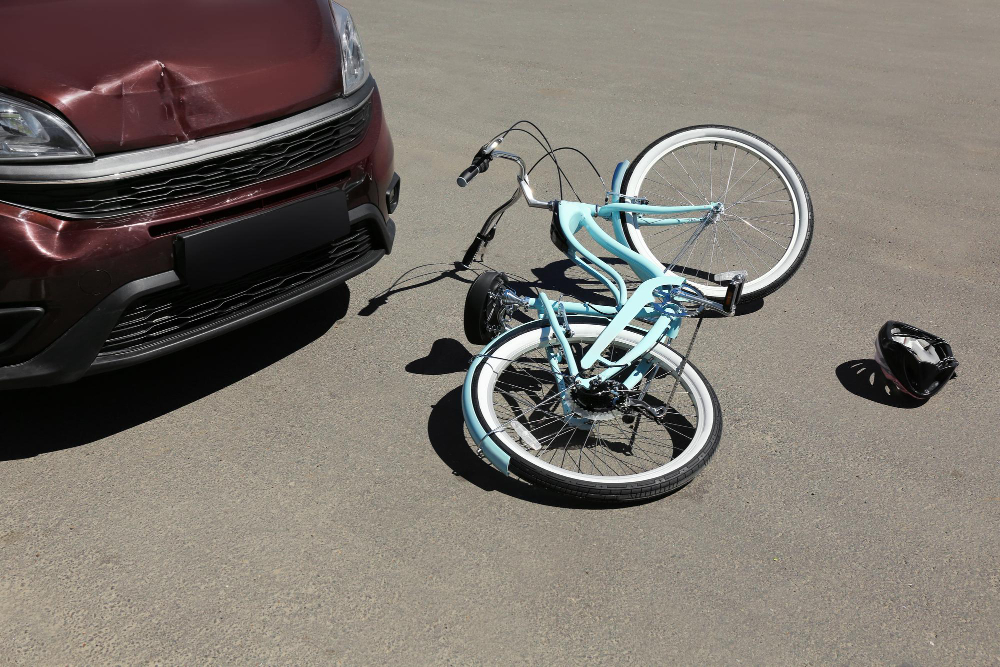
Understanding Unintentional Vehicular Manslaughter
Scott Rose Mar 28, 2026

Understanding Unintentional Vehicular Manslaughter

Quick Summary

Unintentional vehicular manslaughter involves causing another person’s death through reckless, negligent, or unlawful driving conduct without intent to kill. These cases often involve distracted driving, speeding, impaired driving, or other dangerous behavior behind the wheel. Prosecutors closely examine the driver’s actions leading up to the collision when deciding how to file charges.


A fatal car accident can change lives in seconds. Families lose loved ones, drivers face criminal investigations, and prosecutors begin examining every detail surrounding the crash. In some situations, authorities may file charges for unintentional vehicular manslaughter when they believe a driver’s actions caused another person’s death through negligence or reckless conduct.

Rose Law Firm knows how overwhelming these allegations can feel. Our experience in criminal defense, law enforcement, and military service gives us a unique perspective when handling serious felony cases throughout North Dakota.

What Is Unintentional Vehicular Manslaughter?

Unintentional vehicular manslaughter refers to causing another person’s death while operating a motor vehicle in a negligent, reckless, or unlawful manner. Unlike homicide charges involving intent, prosecutors do not allege that the driver meant to kill anyone. Instead, the focus is on whether driving behavior created a dangerous situation that resulted in a fatal outcome.

Cases involving unintentional vehicular manslaughter often arise from collisions involving speeding, distracted driving, impaired driving, street racing, or other hazardous driving conduct. Prosecutors must generally prove criminal negligence or reckless disregard for public safety to secure a conviction.

Courts distinguish between tragic accidents and criminal behavior. A fatal crash alone does not automatically result in unintentional vehicular manslaughter. The state must still prove that the driver’s conduct crossed the threshold into criminal negligence or recklessness.

How Prosecutors Determine Negligence

A central issue in unintentional vehicular manslaughter cases is whether the driver acted negligently. Prosecutors attempt to show that the driver ignored clear risks or behaved in a way that deviated significantly from what a reasonable driver would do under similar circumstances.

Examples of conduct prosecutors may use to support criminal charges include:

  • Excessive speeding
  • Driving under the influence
  • Distracted driving
  • Running traffic signals
  • Aggressive lane changes

Investigators frequently rely on surveillance footage, crash reconstruction experts, eyewitness statements, vehicle data, and toxicology reports during these cases. Prosecutors may also examine cellphone records or social media activity to argue the driver acted recklessly before the collision occurred.

The Difference Between Reckless And Negligent Driving

Courts often separate negligence from recklessness, even though both can lead to unintentional vehicular manslaughter charges. Negligence typically involves failing to use reasonable care, while recklessness involves consciously disregarding a known and substantial risk.

For example, momentarily glancing away from the road may be treated as negligence depending on the circumstances. Driving at extremely high speeds through a congested intersection may be considered reckless due to the obvious danger involved.

This distinction is important because prosecutors may pursue harsher penalties when they classify conduct as reckless rather than merely negligent in unintentional vehicular manslaughter cases.

Common Situations Leading To Vehicular Manslaughter Charges

Unintentional vehicular manslaughter cases arise from a wide range of driving situations. Some involve impairment, while others stem from distraction, speeding, or environmental conditions.

Distracted driving is one of the most frequent factors in fatal crash investigations. Activities such as texting, using navigation systems, adjusting vehicle controls, or interacting with passengers can reduce reaction time and increase crash risk.

Driving under the influence also plays a major role in many prosecutions. In DUI-related fatal accidents, prosecutors often pursue aggressive felony charges because impaired driving already violates criminal laws.

Weather conditions and roadway hazards can also become important factors. Rain, snow, ice, poor visibility, and mechanical failures may affect how investigators interpret the collision and determine fault.

Every case depends on unique facts, making a detailed review and independent analysis essential in unintentional vehicular manslaughter matters.

Penalties For Unintentional Vehicular Manslaughter

Penalties for unintentional vehicular manslaughter vary depending on state law and case-specific facts. Some cases are charged as misdemeanors, while others are prosecuted as felonies carrying substantial prison exposure.

Courts may consider factors such as:

  • Prior criminal history
  • Alcohol or drug involvement
  • Multiple fatalities
  • Prior traffic violations
  • Attempts to leave the scene

A conviction for unintentional vehicular manslaughter may result in incarceration, probation, license suspension, and significant financial penalties. Long-term consequences can also affect employment opportunities and professional licensing.

Even before a case reaches trial, unintentional vehicular manslaughter allegations can create severe emotional, legal, and financial strain for those involved and their families.

Why Early Legal Representation Matters

People involved in fatal crashes sometimes believe cooperating fully with investigators will quickly resolve the situation. Unfortunately, statements made during investigations can later become evidence used during prosecution.

Law enforcement officers often begin building criminal cases immediately after fatal collisions occur. Speaking with a Bismarck defense attorney early allows you to understand your rights before making statements that could affect your future.

At Rose Law Firm, we take a strategic and thorough approach to criminal defense. We know these cases involve high stakes, and we work aggressively to protect our clients’ rights throughout every stage of the legal process.

FAQs

Unintentional vehicular manslaughter generally involves causing another person’s death through negligent or reckless driving conduct without any intent to kill. These cases often focus on whether the driver failed to exercise reasonable care or engaged in behavior that created a foreseeable and serious risk on the roadway.

Prosecutors may look at speed, distraction, impairment, or traffic violations to determine whether criminal charges are appropriate. Each case depends heavily on the specific facts surrounding the collision and how investigators interpret the driver’s actions leading up to the fatal incident.

Yes. Fatal accidents involving reckless driving, DUI allegations, or criminal negligence may result in felony vehicular manslaughter charges. In these situations, prosecutors evaluate whether the conduct went beyond ordinary carelessness and rose to the level of criminal behavior.

Evidence such as toxicology reports, crash reconstruction findings, witness statements, and vehicle data may be used to support felony charges. Even a single mistake behind the wheel can escalate into a felony case when it results in a death and is tied to aggravating factors or unlawful conduct.

It is usually wise to speak with a defense attorney before giving detailed statements during a criminal investigation involving a fatal collision. Early conversations with law enforcement can become part of the official record and may later be used in court.

A defense attorney can help you understand your rights, explain what information is appropriate to share, and help prevent statements that could unintentionally harm your position.



Related Posts

yellow police tape with text cross crime scene night Img
Scott Rose Jul 2, 2026

How Much Time Does Conspiracy Carry: When Does A Crime Cross The Line?

Quick Summary

Conspiracy charges can carry serious legal consequences, even when the planned crime never happens. Prosecutors often focus on proving agreement, intent, and actions taken toward a criminal goal rather than a completed offense. Sentencing varies based on the underlying crime, level of involvement, and if the case is handled in state or federal court. Since conspiracy cases often involve complex evidence and long timelines, strong legal representation can make a major difference.


Many people ask how much time does conspiracy carry after hearing about criminal cases involving multiple people. The answer depends on several factors, including the underlying crime, the person’s level of involvement, and if the case is charged in state or federal court. A conspiracy charge can carry serious penalties, even if the planned crime never happened.

Many people believe a person must complete a crime before facing criminal penalties. That is not always true. In many cases, simply agreeing with another person to commit a crime can lead to criminal charges. This is where conspiracy law becomes important, and it often catches people by surprise.

Conspiracy cases are complex because prosecutors often focus on planning, communication, and intent rather than completed criminal acts. Text messages, phone calls, emails, and financial records can all become evidence. Understanding when a crime crosses the line into conspiracy can help people recognize how serious these allegations can become.

What Is Criminal Conspiracy?

Criminal conspiracy happens when two or more people agree to commit an unlawful act. In many cases, prosecutors must also show that at least one person took some action toward carrying out that plan. This action is commonly called an overt act.

That action does not need to be dramatic. Even small steps can matter in a criminal case. Renting a vehicle, sending money, purchasing supplies, or making calls related to the plan may all be viewed as evidence of conspiracy. These actions may seem minor on their own, but prosecutors often use them to build a larger case.

For example, two individuals may agree to commit fraud. One person prepares fake documents while the other sets up bank accounts. Even if no money is stolen, both individuals may still face conspiracy charges. This is one reason conspiracy allegations are treated seriously in criminal court.

When Does a Crime Cross the Line?

The line is usually crossed when prosecutors believe they have enough evidence showing an agreement and criminal intent. Casual conversations or hypothetical discussions are not always enough to support a conspiracy charge. Prosecutors generally need evidence showing the people involved truly intended to carry out unlawful conduct.

Intent plays a major role in conspiracy cases. Prosecutors often review communication records, witness testimony, financial transactions, and behavioral patterns. Their goal is to prove that the accused knowingly participated in a criminal plan.

This is where conspiracy law becomes broad and challenging. A person with a limited role may still face serious charges if prosecutors believe that person knowingly joined the plan. Even small contributions may create legal exposure if those actions supported the alleged conspiracy.

How Is Conspiracy Punished?

The punishment for conspiracy depends heavily on the underlying offense. Some conspiracy cases involve misdemeanor charges with lighter penalties. Others involve serious felonies that carry significant prison time.

State laws vary, which means sentencing can look very different depending on where the case is filed. Some states punish conspiracy at the same level as the planned offense. Others assign a lower penalty. The facts of the case often play a major role in determining possible sentencing.

Federal conspiracy charges often carry much harsher consequences. This is especially true in cases involving drug trafficking, fraud, organized crime, or violent offenses. Federal prosecutors usually have significant resources and often spend months or years building these cases.

Maximum Sentence for Conspiracy

The maximum sentence for conspiracy depends on the crime prosecutors claim was planned. Less serious offenses may result in probation, fines, or short jail terms. More serious offenses can carry years or even decades in prison.

Courts often examine several factors when deciding sentencing. These may include the defendant’s criminal history, role in the alleged conspiracy, and the scale of the planned offense. Someone accused of leading a conspiracy often faces more severe penalties than someone with a smaller role.

Aggravating factors can also increase sentencing exposure. Cases involving weapons, violence, or major financial losses often carry harsher penalties. This is why conspiracy charges can quickly become life-changing legal matters.

Federal Conspiracy Sentence: What to Expect

A federal conspiracy sentence can be especially severe because federal cases often involve large-scale criminal operations. These cases may include drug crimes, white-collar offenses, money laundering, public corruption, or organized criminal activity.

Federal prosecutors often rely on lengthy investigations. They may use surveillance, recorded calls, digital communications, financial records, and cooperating witnesses to build their case. This allows them to present large volumes of evidence to support conspiracy allegations.

One major issue in federal cases is that conspiracy is often treated as a continuing offense. This means the legal timeline may extend much longer than people expect. The statute of limitations often begins when the conspiracy ends or when the last act supporting the conspiracy occurs.

This can create significant legal risk. A person who became involved early may still face charges years later if the conspiracy continued. That is one reason federal conspiracy allegations are particularly serious.

Can You Be Charged Without Committing the Crime?

Yes. This surprises many people because they assume a completed crime must occur before charges are filed. In conspiracy cases, that is not always true.

The prosecution often focuses on agreement, intent, and actions taken toward the unlawful goal. That means planning and preparation alone may be enough to support criminal charges. A completed offense is not always required.

This makes conspiracy allegations especially challenging. Prosecutors may build their case using circumstantial evidence rather than direct evidence of a completed crime. Communications and behavior often become central to the case.

Common Defenses Against Conspiracy Charges

Defending against conspiracy allegations often starts with challenging the prosecution’s evidence. A strong defense may focus on proving there was no criminal agreement or no intent to participate in unlawful conduct.

One common defense is lack of intent. A person may argue they had no intention of participating in criminal activity. Another defense focuses on lack of agreement. Being associated with someone accused of criminal conduct does not automatically make someone part of a conspiracy.

Other defenses may involve mistaken identity, unreliable witnesses, or improper evidence collection. In complex investigations involving multiple defendants, prosecutors may overreach or misinterpret communications. That is why every detail matters in a conspiracy case.

At Rose Law Firm, we understand how aggressively prosecutors pursue conspiracy allegations. These cases often involve layered evidence, complex timelines, and serious legal consequences. Building a strong defense starts with carefully analyzing the facts and identifying weaknesses in the prosecution’s case.

Conspiracy charges can carry serious consequences, even if no crime was completed. The law focuses heavily on agreement, intent, and actions taken in support of a criminal plan. That makes these cases broader and more complex than many people realize.

Small actions, messages, or conversations can become major evidence in court. What may seem harmless at first can be interpreted very differently by prosecutors. Understanding how conspiracy laws work is important for anyone facing these allegations.

At Rose Law Firm, we know conspiracy charges can feel overwhelming. These cases often move quickly and involve aggressive prosecution tactics. We carefully examine the evidence, challenge weak claims, and fight to protect the rights of clients facing serious criminal charges in both state and federal court.

FAQs

Yes. A person can still face conspiracy charges even if the planned crime was never completed. Prosecutors often focus on proving there was an agreement, criminal intent, and actions taken toward the unlawful goal.

Sentencing depends on several factors, including the underlying offense, criminal history, level of involvement, and if aggravating factors such as weapons, violence, or financial losses were involved.

Conspiracy can be charged at both the state and federal levels. Federal conspiracy cases often involve more complex investigations and may carry harsher penalties, especially in cases involving drug crimes, fraud, or organized criminal activity.

Read More
concept-international-day-women-judges
Scott Rose Jul 2, 2026

Your Guide To Class B Misdemeanor In North Dakota

Quick Summary

A Class B misdemeanor in North Dakota may be considered a lower-level criminal offense, but it can still carry serious consequences. A conviction may lead to jail time, fines, and a criminal record that affects employment, housing, and future opportunities. Understanding the charges, possible penalties, and legal options early can make a major difference. Taking quick action after an arrest can help protect your rights and improve the outcome of your case.


Many people seek to understand a Class B misdemeanor in North Dakota after being charged with a crime or learning that a loved one has been arrested. This question often comes up because many people assume misdemeanor charges are minor and do not carry serious consequences. That assumption can be dangerous.

In reality, even lower-level criminal charges can affect your life in major ways. Jail time, financial penalties, and a criminal record can all create lasting challenges. At Rose Law Firm, we understand how stressful criminal charges can feel. Facing the legal system for the first time can be overwhelming, especially when your future feels uncertain.

Understanding Misdemeanors In North Dakota

North Dakota separates lower-level criminal offenses into three categories: infractions, Class B misdemeanors, and Class A misdemeanors. These categories help determine how serious a charge is and what penalties may apply after a conviction.

Infractions are the least serious offenses and usually involve fines without jail time. Class A misdemeanors are more serious and carry heavier penalties. A Class B misdemeanor falls between these two categories. While it is considered less severe than a Class A misdemeanor, it is still a criminal offense and should never be ignored.

Many people hear the word misdemeanor and immediately think the charge is not serious. That is often a mistake. Even misdemeanor convictions can leave a permanent mark on your criminal record and create problems that continue long after the case is over.

What Is A Class B Misdemeanor?

A Class B misdemeanor is one of the more common criminal charges in North Dakota. It covers a range of offenses that the state considers criminal, even though they are not as severe as felony offenses or higher misdemeanor charges.

A conviction may result in up to 30 days in jail, a fine of up to $1,500, or both. While these penalties may sound manageable at first, the real impact often goes far beyond fines or short-term jail time.

Even a short jail sentence can disrupt your life. Missing work, losing income, damaging personal relationships, and facing public embarrassment can all happen quickly. The long-term effects of having a criminal record can sometimes be even more difficult than the immediate penalties.

Common Examples Of Class B Misdemeanors

Several offenses in North Dakota can fall under this category. The exact charge often depends on the facts of the case and the circumstances surrounding the alleged offense.

Common examples include disorderly conduct, simple assault, lower-level theft offenses, prostitution-related offenses, and certain first-time DUI cases. Some traffic-related criminal offenses may also be charged at this level.

The details of a case matter more than most people realize. Prior convictions, aggravating factors, injuries, or other circumstances can affect how prosecutors charge an offense. A case that appears minor at first can quickly become much more serious depending on the facts.

Penalties Beyond Jail And Fines

Most people focus on the obvious penalties after an arrest. Jail time and fines are usually the first concerns. While those penalties matter, they are not always the most damaging consequences of a conviction.

A criminal record can affect many areas of life. Employers often run background checks before hiring. A misdemeanor conviction may create concerns during that process and reduce job opportunities. Housing can also become harder to secure since landlords often review criminal history.

Professional licensing issues can also arise. Nurses, teachers, commercial drivers, and other licensed professionals may face additional challenges after a conviction. Students and non-citizens may also experience consequences that reach far beyond the courtroom.

These secondary effects often surprise people. Many do not realize how much a misdemeanor charge can impact daily life until they are already dealing with the consequences.

Can A Class B Misdemeanor Become More Serious?

In some situations, yes. A Class B misdemeanor can become a more serious charge depending on the circumstances. This often happens when aggravating factors are involved or when someone has prior criminal history.

Repeat offenses are a common example. A first offense may carry lighter penalties, while repeated offenses often result in harsher charges. Theft charges may also increase in severity depending on the value of the property involved.

DUI cases often follow a similar pattern. A first offense may be charged at a lower level, while repeated offenses can lead to significantly stronger penalties. This is one reason early legal action matters. The sooner a case is reviewed, the better your chances of understanding your options.

What Happens After An Arrest?

After an arrest or formal charge, the criminal process begins. The first stage usually involves an arraignment, where the court formally presents the charges and asks for a plea.

From there, the case may move into negotiations, hearings, motions, or trial preparation. Every stage matters because decisions made early can affect the outcome later.

Many people make the mistake of assuming the case will resolve on its own. Others talk too much and accidentally hurt their defense. Statements made early in the process can have long-term consequences. Understanding your rights from the start can make a major difference.

Defense Strategies In Criminal Cases

Every criminal case is different, so defense strategies vary based on the facts, evidence, and legal issues involved. A strong defense starts with understanding every detail of the case.

Some defenses focus on weak evidence or unreliable witness statements. Others may involve mistaken identity, unlawful police conduct, procedural mistakes, or lack of intent. In some cases, negotiations may lead to reduced charges or dismissal.

Small details often shape the direction of a case. Police reports, witness statements, surveillance footage, and body camera recordings can all reveal important facts. Careful case review often makes a major difference.

Why Legal Representation Matters

Facing criminal charges alone can be difficult. The legal process is complex, and many people do not fully understand the long-term consequences of a conviction until it is too late.

Having legal representation helps you better understand the charges, the possible penalties, and the options available to you. Strong defense work is not just about appearing in court. It also involves protecting your rights and helping you make informed decisions throughout the case.

At Rose Law Firm, we understand that criminal charges bring stress, fear, and uncertainty. We represent individuals facing misdemeanor and felony charges in both state and federal court. Our goal is to help clients navigate difficult legal situations with clarity and confidence.

Moving Forward After A Criminal Charge

A criminal charge does not automatically define your future. One difficult moment should not decide the rest of your life. The decisions you make after an arrest can play a major role in how your case unfolds.

Understanding the charge against you is the first step toward protecting yourself. Early action can often create better opportunities for building a strong defense.

At Rose Law Firm, we know how much is at stake when criminal charges are involved. We work with individuals facing serious legal challenges and help them move through the legal process with confidence, strategy, and a clear understanding of their rights.

FAQs

Yes, a Class B misdemeanor is still a criminal offense in North Dakota. Even though it is less severe than a Class A misdemeanor or felony, a conviction can lead to jail time, fines, and a permanent criminal record.

A Class B misdemeanor conviction in North Dakota may result in up to 30 days in jail, a fine of up to $1,500, or both. The exact penalty depends on the offense and the facts of the case.

Yes, it can. Many employers perform background checks during hiring. A Class B misdemeanor conviction may affect job opportunities, professional licensing, housing applications, and other parts of your future.

Read More

Explore Legal Topics

Popular Posts

Depositphotos_161852606_XL-1-1-1-1-scaled
September 23, 2025 Sep 23, 2025

ND DUI Laws: Penalties, Fines, And Jail Time Explained

Read More
Depositphotos
October 6, 2025 Oct 6, 2025

Gross Misdemeanor: A Comprehensive Guide

Read More
Depositphotos
October 6, 2025 Oct 6, 2025

Can I Go To Jail For A Misdemeanor?

Read More
Depositphotos
October 6, 2025 Oct 6, 2025

How Much Does It Cost To Hire A DUI Lawyer?

Read More

Need Help with Your Case?

We’re available 24/7 to discuss your options.

Schedule a Free Consultation
Bird View

Need Legal Help in North Dakota?

If something you read here sounds like your situation, don’t wait. Reach out now to speak directly with attorney Scott Rose.

Request a Free Consultation